
Brazil is one of the best places in the world to find a classic Volkswagen Bus — known locally as the Kombi. While production ended globally decades ago, Brazil continued manufacturing Kombis until 2013, leaving a large supply of well-preserved models across the country at prices far below what you'd pay in Europe or the US.
This guide walks you through every step of importing a Volkswagen Bus from Brazil — from sourcing and inspection to paperwork, shipping and delivery. Many of the best Kombis are never publicly listed online, which is why we offer an early access alert system to notify you the moment a matching vehicle becomes available.
How We Source Classic Volkswagen Buses in Brazil
Through our local network of collectors, workshops and long-term partners — combined with our automated monitoring system that scans Brazilian online marketplaces in real time — we actively locate VW Kombis that match your exact preferences. From fully restored showroom-condition buses to solid project vehicles ready for your own restoration, we find well-vetted options and help you avoid the pitfalls common on public marketplaces.
Early Access — Our Automated VW Bus Alert System
In addition to our sourcing network, we operate an automated monitoring system that tracks new Volkswagen Bus listings across Brazil in real time. The moment a Kombi matching your criteria becomes available, you receive an instant alert by email — or WhatsApp if you prefer — so you never miss a rare find.
Sign up for free early access alerts here — and be among the first to hear about rare Kombis ready for export.
Quality Control When Buying a VW Bus from Brazil
Most international buyers cannot visit Brazil to inspect a vehicle in person — they rely on photos. But photos only tell part of the story. One of the hardest things to assess remotely is the quality of the welding work, which forms the structural foundation of any restoration. Poor welding can lead to serious structural problems and costly repairs down the line.
Spare parts used in Brazilian restorations can also vary in quality. Parts that look fine initially may not perform to the standard of European or US alternatives over time.
For our restoration projects, we collaborate with our trusted partner garage in the Netherlands, where the engine is fully rebuilt with a 1-year / 10,000 km guarantee — giving you long-term peace of mind and protecting your investment.
Verify Ownership and Documentation First
Before arranging any logistics, always verify the legal status of the Volkswagen Bus. Confirm the seller is the registered legal owner using Brazil's national vehicle registry (Renavam), and check that there are no outstanding fines, taxes or financial obligations on the vehicle. Unresolved issues can prevent export and cause serious delays.
We strongly recommend working with a local partner or despachante (licensing agent) to ensure all documentation is in order before purchase — particularly for older T1 models where engine numbers are sometimes missing from the paperwork.
Secure Payments — How We Protect You
We only release payment to the seller at the moment we take physical possession of the vehicle. This means there is zero credit risk for you — the car is in our hands before any funds are transferred to the seller. Every transaction is transparent, documented and protected.
Internal Logistics in Brazil
Brazil's vast distances and variable road conditions make internal vehicle transport a critical step that's often overlooked. Transporting a classic Kombi from a remote seller to the port requires experienced, insured partners who understand how to handle vintage vehicles. Local transport damage is one of the most common setbacks in the import process — we work exclusively with trusted carriers to prevent it.
Explore Our Volkswagen Buses for Sale
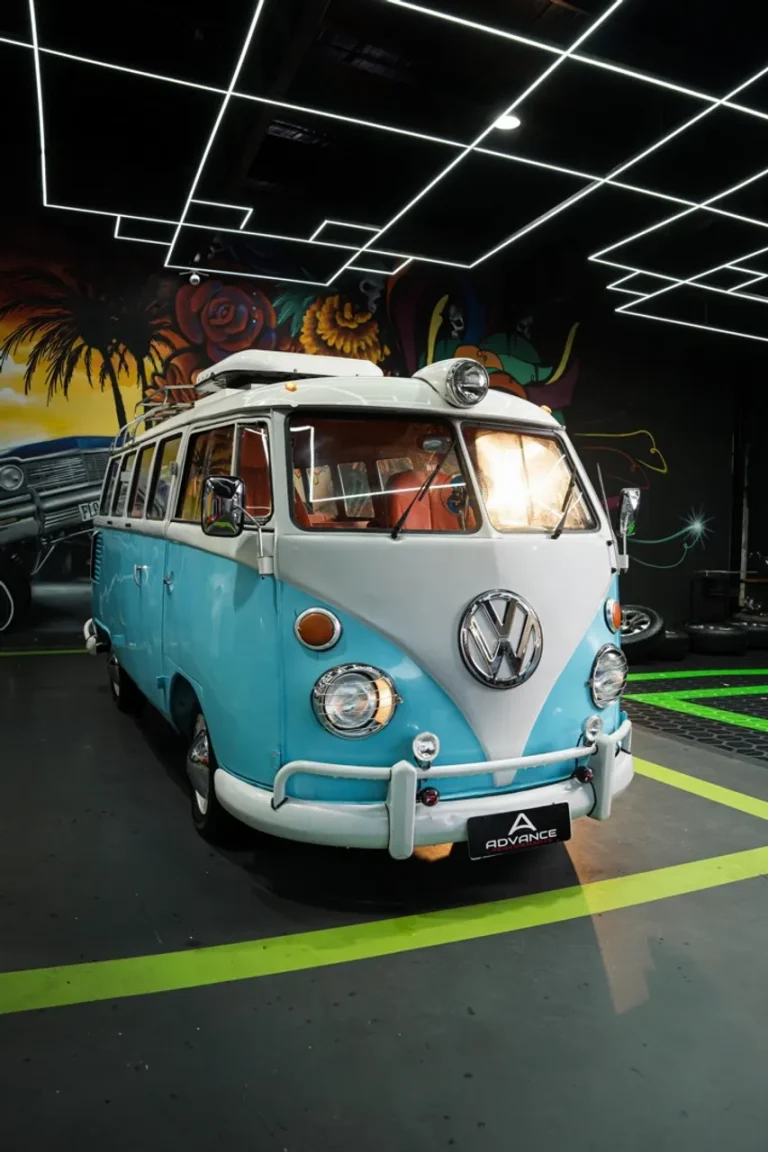
1974 | Volkswagen | T1 | 1.6 | Gasoline | 82000 km | 3-doors | Blue – 143940
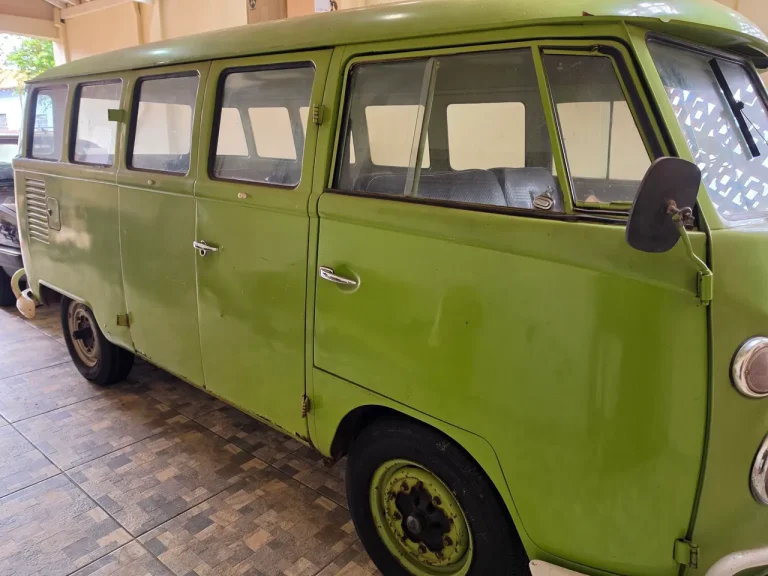
1973 | Volkswagen | T1 | Gasoline | 42539 km | 3-doors | Green – 143947
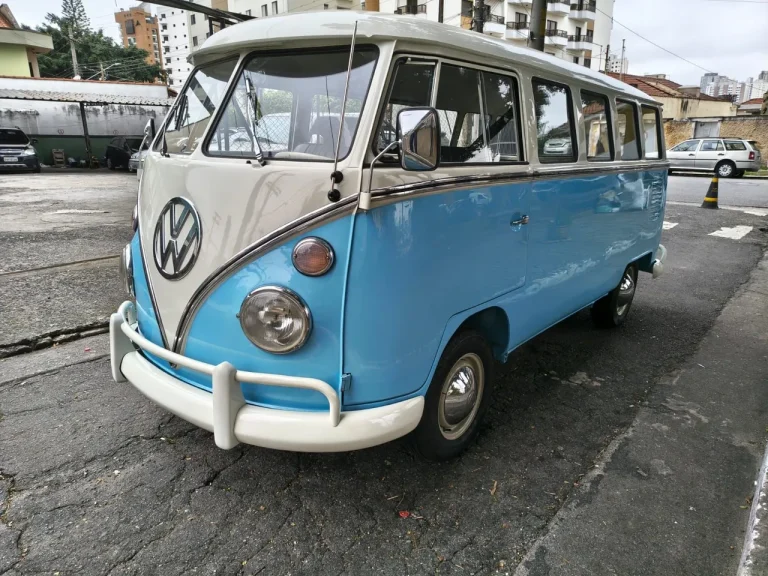
1975 | Volkswagen | T1 | Gasoline | 99000 km | 4-doors | Blue – 143685
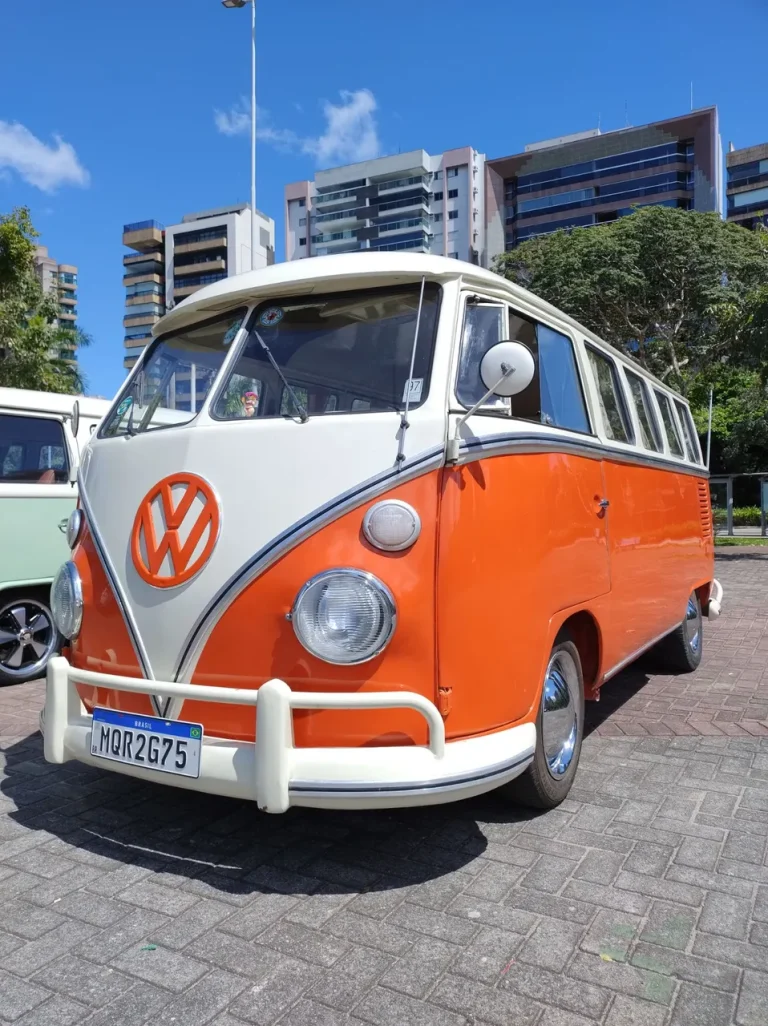
1971 | Volkswagen | T1 | 20000 km – 143692
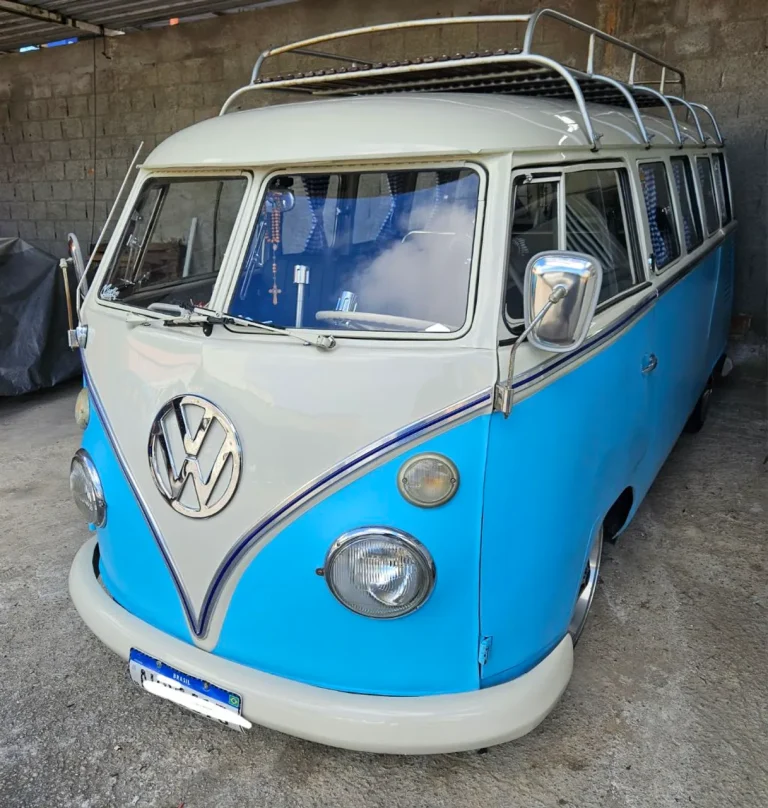
1972 | Volkswagen | T1 | Gasoline | 100000 km | Blue – 143694
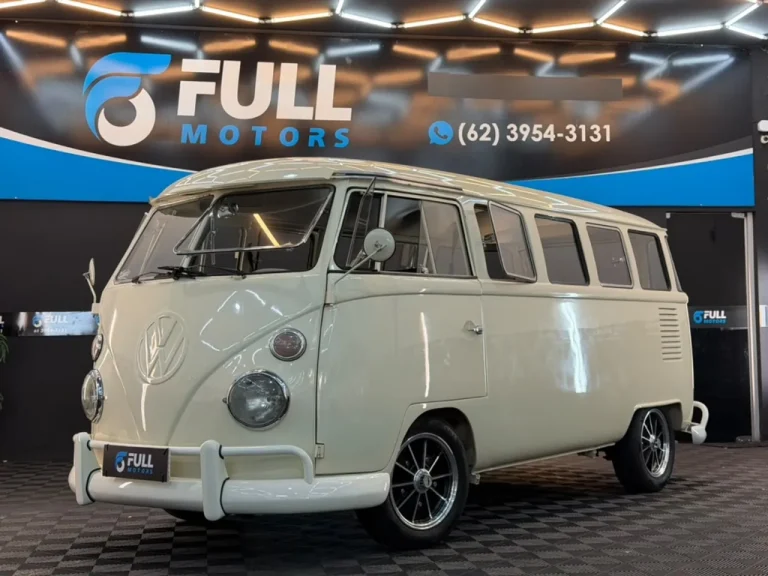
1973 | Volkswagen | T1 | Gasoline | 2-doors – 143615
Essential Paperwork for Exporting a Volkswagen Bus from Brazil
Brazil is known for its bureaucracy — and exporting a VW Bus is no exception. The process involves three key steps, all processed through DETRAN, Brazil's official vehicle documentation authority:
- Ownership transfer to a licensed export company
- Vehicle inspection (vistoria) by the local transport department
- Permanent de-registration (baixa permanente) of the vehicle
Without these documents, the vehicle cannot legally leave Brazil. For older models — especially VW T1s — it's common for engine numbers to be missing from the documentation. Resolving these issues can take several weeks, so thorough checks before purchase are essential.
The RADAR License — Why You Need an Export Company
To legally export a Volkswagen Bus from Brazil, a RADAR license is required — issued by the Brazilian tax authorities and typically only held by licensed export companies. This means most international buyers must go through an indirect export process, where the export company temporarily becomes the legal owner of the vehicle.
This is actually an advantage: the export company handles all paperwork, logistics and container loading, giving you complete peace of mind that experienced professionals are managing the process end to end.
Choosing the Right Shipping Method for Your VW Bus
There are two primary shipping options when importing a Volkswagen Bus from Brazil — each with different costs and levels of protection:
| Container Shipping | RoRo Shipping | |
|---|---|---|
| Protection | High — sealed container | Lower — exposed to elements |
| Cost | Higher | Lower |
| Best for | Classic & high-value vehicles | Budget-conscious buyers |
| Shared option | Yes — 40ft shared container | No |
We offer shared container shipping — two vehicles from different clients in one 40ft container — as a popular middle ground: container-level protection at a significantly lower price.
Why Importing a Volkswagen Bus from Brazil Is Worth It
Despite the paperwork and logistics, importing a VW Bus from Brazil gives you access to some of the best-preserved models in the world — at prices that simply don't exist anywhere else. These vehicles aren't just transport; they're rolling pieces of automotive history.
With the right team handling the details, you can enjoy the satisfaction of owning a vintage Volkswagen Bus that tells a story. Whether for collection, adventure, conversion or business — it's a ride like no other.
Get Early Access to VW Bus Listings
Frequently Asked Questions — Importing a VW Bus from Brazil
How much does it cost to import a Volkswagen Bus from Brazil?
Total costs vary depending on vehicle price, shipping method, destination and import duties. As a rough guide, buyers in Europe typically pay between €20,000 and €45,000 all-in for a well-maintained Kombi including shipping, documentation and clearance. We provide a full cost breakdown for every vehicle.
What VW Bus models are available from Brazil?
Brazil produced the VW T1 (Split Window) and T2 (Bay Window) buses, as well as the later Brazilian-spec Kombi which continued until 2013. All three generations are available — from rare early splits to more affordable later models perfect for conversion projects.
How long does it take to import a VW Bus from Brazil?
From vehicle selection to delivery, the process typically takes 10–16 weeks depending on restoration requirements, shipping method and your destination country. We provide regular updates at every stage.
Is it safe to buy a VW Bus from Brazil without visiting in person?
Yes — when working with us. We inspect every vehicle in person, verify all documentation and only release payment once we take physical possession of the vehicle. You never pay before the car is secured.
Can you customize or restore the VW Bus before shipping?
Yes — we offer full restoration and customization at our São Paulo garage, including paintwork, upholstery, mechanical work and engine rebuilds. Custom camper and lifestyle conversions are also available. Contact us to discuss your project.
Which countries do you ship Volkswagen Buses to?
We ship worldwide — including Europe, the United States, Canada, Australia and the Middle East. We handle all Brazilian export documentation and can assist with import logistics at your destination. Request a shipping quote here.